Buy atseo.eu ?
We are moving the project
atseo.eu .
Are you interested in purchasing the domain
atseo.eu ?
domain@kv-gmbh.de · 0541-91531010
Buy atseo.eu ?
How large is the molarity?
The molarity is a unit of concentration that measures the number of moles of solute per liter of solution. It is a measure of the concentration of a solution and is expressed in moles per liter (mol/L). The molarity can vary depending on the amount of solute and solvent present in the solution. **
How do you calculate molarity?
Molarity is calculated by dividing the number of moles of solute by the volume of the solution in liters. The formula for molarity (M) is: Molarity = moles of solute / liters of solution. This calculation allows you to determine the concentration of a solution in terms of the number of moles of solute per liter of solution. **


Similar search terms for Molarity
Top-Angebote
Products related to Molarity:
-
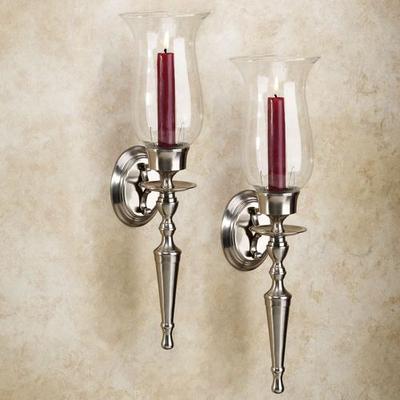
Flythe Consulting Arika Wall Sconce Pair, Pair, Satin NickelThe Arika Wall Sconce Pair is an adaptation of old-fashioned light fixtures, with an appealing design that will complement modern decor. The lacquered solid brass sconces have 4.75 dia.x7 H clear glass hurricanes that will protect your standard...179,00 $*Shipping: 22,95 $Secure redirect to the provider
-
Flythe Consulting Brookville Wall Sconce Pair Antique Brass, Pair, Antique BrassThe Brookville Antique Brass Wall Sconce Pair uses simple design and a delicate aesthetic to create a truly elegant appeal. Each handcrafted, solid lacquered brass sconce has a scrolling arm, solid backplate, chain accents, and a 6 dia.x9 H etched...324,99 $*Shipping: 0,00 $Secure redirect to the provider
-
Flythe Consulting Jonetia Hurricane Wall Sconce Pair Satin Brass, Pair, Satin BrassThe Jonetia Satin Brass Hurricane Wall Sconce Pair proudly displays grandeur on your walls. These hand-forged, solid brass sconces feature a diamond design and fleur-de-lis motif. Sconces have a lacquered, satin brass finish that is done by hand. A...229,00 $*Shipping: 32,06 $Secure redirect to the provider



-
What is the molarity of H3O+?
The molarity of H3O+ can be calculated using the formula: Molarity = moles of solute / liters of solution. The molarity of H3O+ in pure water at 25°C is 1.0 x 10^-7 M, as water undergoes autoionization to produce H3O+ and OH- ions. This means that at equilibrium, the concentration of H3O+ ions is 1.0 x 10^-7 M. **
-
What is the difference between molality and molarity?
Molality and molarity are both measures of concentration, but they are calculated differently. Molarity is the number of moles of solute per liter of solution, while molality is the number of moles of solute per kilogram of solvent. This means that molarity depends on the volume of the solution, while molality depends on the mass of the solvent. As a result, molality is a more accurate measure of concentration when there are changes in temperature, as volume can change with temperature but mass remains constant. **
-
What is the molarity of concentrated nitric acid?
The molarity of concentrated nitric acid is typically around 16-18 M (moles per liter). This high concentration makes it a strong acid that is commonly used in various chemical reactions and industrial processes. It is important to handle concentrated nitric acid with care due to its corrosive nature and potential hazards. **
-
Isn't the molar concentration the same as the molarity?
Yes, molar concentration and molarity are essentially the same thing. Both terms refer to the amount of a substance (in moles) dissolved in a given volume of solution (in liters). Molarity is the more commonly used term, but both can be used interchangeably to describe the concentration of a solution. **


How are the pH value, normality, and molarity calculated?
The pH value is calculated using the formula pH = -log[H+], where [H+] is the concentration of hydrogen ions in a solution. Normality is calculated by multiplying the molarity of a solution by the number of equivalents of the solute. Molarity is calculated by dividing the number of moles of solute by the volume of the solution in liters. These calculations are important in chemistry for determining the concentration and acidity/basicity of a solution. **
Can you please explain to me how to calculate molarity?
Molarity is a measure of the concentration of a solute in a solution. It is calculated by dividing the number of moles of solute by the volume of the solution in liters. The formula for calculating molarity is: Molarity (M) = moles of solute / liters of solution. To calculate molarity, you first need to determine the number of moles of solute present in the solution, then divide that by the volume of the solution in liters. **
Top-Angebote
Products related to Molarity:
-
No Marketing Systems Wood Corner Desk"The corner desk measures 42"" X 28"" X 30"" And Weighs 42 lbs. Arrives with only minimal Assembly required. Comfortably fitting in any home, studio, apartment, and office, The small corner writing desk maximizes space in compact rooms."257,04 $*Shipping: 0,00 $Secure redirect to the provider
-
HARPERCOLLINS Donald Miller 3 Book Collection Set – Business Made Simple, Marketing Made Simple & How to Grow Your Small Business Entrepreneurship & Marketing GuiDonald Miller Collection 3 Books Set (How to Grow Your Small Business, Business Made Simple, Marketing Made Simple): How to Grow Your Small Business: Speak to the heart of your target audience and create a movement around your mission or campaign through this comprehensive, step-by-step approach to crafting messages that resonate. Donald Miller, author of the bestselling Building a StoryBrand, has helped thousands of individuals, corporations, and justice-oriented organizations turn vision into action using the organized, easy to implement communication framework outlined in these pages. Business Made Simple: Donald Miller knows that business is more than just a good idea made profitable it s a system of unspoken rules, rarely taught by MBA schools. If you are attempting to profitably grow your business or career, you need elite business knowledge knowledge that creates tangible value. Even if you had the time, access, or money to attend a Top 20 business school, you would still be missing the practical knowledge that propels the best and brightest forward. Marketing Made Simple: Donald Miller, is a must-have for any marketing professional or small business owner who wants grow their business.It will teach you how to create and implement a sales funnel that will increase traffic and drive sales. Every day, your company is losing sales simply because you do not have a clear path to attract new customers. You’re not alone. Based on proven principles from Building a StoryBrand , this 5-part checklist is the ultimate resource for marketing professionals and business owners as they cultivate a sales funnel that flows across key customer touchpoints to effectively develop, strengthen, and communicate their brand’s story to the marketplace.18,99 £*Shipping: 2,99 £Secure redirect to the provider
-
Flythe Consulting Arika Wall Sconce Pair, Pair, Satin NickelThe Arika Wall Sconce Pair is an adaptation of old-fashioned light fixtures, with an appealing design that will complement modern decor. The lacquered solid brass sconces have 4.75 dia.x7 H clear glass hurricanes that will protect your standard...179,00 $*Shipping: 22,95 $Secure redirect to the provider
-
How large is the molarity?
The molarity is a unit of concentration that measures the number of moles of solute per liter of solution. It is a measure of the concentration of a solution and is expressed in moles per liter (mol/L). The molarity can vary depending on the amount of solute and solvent present in the solution. **
-
How do you calculate molarity?
Molarity is calculated by dividing the number of moles of solute by the volume of the solution in liters. The formula for molarity (M) is: Molarity = moles of solute / liters of solution. This calculation allows you to determine the concentration of a solution in terms of the number of moles of solute per liter of solution. **
-
What is the molarity of H3O+?
The molarity of H3O+ can be calculated using the formula: Molarity = moles of solute / liters of solution. The molarity of H3O+ in pure water at 25°C is 1.0 x 10^-7 M, as water undergoes autoionization to produce H3O+ and OH- ions. This means that at equilibrium, the concentration of H3O+ ions is 1.0 x 10^-7 M. **
-
What is the difference between molality and molarity?
Molality and molarity are both measures of concentration, but they are calculated differently. Molarity is the number of moles of solute per liter of solution, while molality is the number of moles of solute per kilogram of solvent. This means that molarity depends on the volume of the solution, while molality depends on the mass of the solvent. As a result, molality is a more accurate measure of concentration when there are changes in temperature, as volume can change with temperature but mass remains constant. **
Similar search terms for Molarity
-
Flythe Consulting Brookville Wall Sconce Pair Antique Brass, Pair, Antique BrassThe Brookville Antique Brass Wall Sconce Pair uses simple design and a delicate aesthetic to create a truly elegant appeal. Each handcrafted, solid lacquered brass sconce has a scrolling arm, solid backplate, chain accents, and a 6 dia.x9 H etched...324,99 $*Shipping: 0,00 $Secure redirect to the provider
-
Flythe Consulting Jonetia Hurricane Wall Sconce Pair Satin Brass, Pair, Satin BrassThe Jonetia Satin Brass Hurricane Wall Sconce Pair proudly displays grandeur on your walls. These hand-forged, solid brass sconces feature a diamond design and fleur-de-lis motif. Sconces have a lacquered, satin brass finish that is done by hand. A...229,00 $*Shipping: 32,06 $Secure redirect to the provider
-
Classic Editions The Complete Art of War – 8 Book Hardback Box Set Sun Tzu & Ancient Chinese Military Strategy Classics Leadership, Warfare & Strategy CollectionExplore centuries of strategic thinking with The Complete Art of War – 8 Books Collection Hardback Box Set, an impressive collection of classical Chinese writings on warfare, leadership, tactics and strategy. Bringing together influential works from ancient Chinese military thought, this hardback collection includes titles such as The Art of War, Methods of the Sima, Wuzi, Wei Liaozi, Three Strategies of Huang Shigong, and Six Secret Teachings of Taigong, alongside additional works included in the eight-volume set. These enduring texts examine subjects including leadership, planning, discipline, intelligence, diplomacy, battlefield tactics and strategic decision-making. Although written in the context of ancient warfare, many of their principles have subsequently attracted readers interested in history, leadership and strategic thinking. Presented as an 8-volume hardback boxed collection, the set is ideal for readers of military history, students of classical philosophy and collectors of beautifully presented classic works. Why Readers Will Love This Collection Includes 8 hardback volumes in a collectible box set Features influential works of ancient Chinese military strategy Explores strategy, leadership, tactics and decision-making Excellent addition to military history and philosophy collections Attractive hardback format for a home or study library Ideal gift for history, strategy and classic literature enthusiasts The Complete Art of War 8 Book Collection brings together some of history's most enduring works on strategy in one impressive hardback set. Titles In This Set: Notebook Questions and Replies Three Strategies of Huang Shigong Wuzi Wei Liaozi The Methods of The Sima Six Secret Teachings of Taigong The Art of War16,99 £*Shipping: 2,99 £Secure redirect to the provider
-
Multisell Products Hub Easy To Play Chess Board Game Toy, Educational Strategy Table Games Easy To Play Chess Board Game Toy, Educational Strategy Table GamesEngage Your Mind with a Classic Chess Board Game The Chess Board Game Toy is a timeless strategy game that offers endless fun for both beginners and experienced players. Designed to be easy to play, this game is perfect for improving focus,...49,97 $*Shipping: 0,00 $Secure redirect to the provider
-
What is the molarity of concentrated nitric acid?
The molarity of concentrated nitric acid is typically around 16-18 M (moles per liter). This high concentration makes it a strong acid that is commonly used in various chemical reactions and industrial processes. It is important to handle concentrated nitric acid with care due to its corrosive nature and potential hazards. **
-
Isn't the molar concentration the same as the molarity?
Yes, molar concentration and molarity are essentially the same thing. Both terms refer to the amount of a substance (in moles) dissolved in a given volume of solution (in liters). Molarity is the more commonly used term, but both can be used interchangeably to describe the concentration of a solution. **
-
How are the pH value, normality, and molarity calculated?
The pH value is calculated using the formula pH = -log[H+], where [H+] is the concentration of hydrogen ions in a solution. Normality is calculated by multiplying the molarity of a solution by the number of equivalents of the solute. Molarity is calculated by dividing the number of moles of solute by the volume of the solution in liters. These calculations are important in chemistry for determining the concentration and acidity/basicity of a solution. **
-
Can you please explain to me how to calculate molarity?
Molarity is a measure of the concentration of a solute in a solution. It is calculated by dividing the number of moles of solute by the volume of the solution in liters. The formula for calculating molarity is: Molarity (M) = moles of solute / liters of solution. To calculate molarity, you first need to determine the number of moles of solute present in the solution, then divide that by the volume of the solution in liters. **
* All prices are inclusive of VAT and, if applicable, plus shipping costs. The offer information is based on the details provided by the respective shop and is updated through automated processes. Real-time updates do not occur, so deviations can occur in individual cases. ** Note: Parts of this content were created by AI.